
9849536206
At a Glance

Duration
4

Activity
Grade 2

Best Season
Spring (March-May): Best for blooming rhododendrons and pleasant weather. • Autumn (September-November): Best for clear skies, stable weather, and vibrant landscapes.

Difficulty
Grade 2

Group Size

Transportation

Meals
Breakfast, Lunch, Dinner

Accomodation
Hotels / Tea houses / Lodges
Overview
Introduction
The Langtang Gosaikunda Trek is far more than just a journey through nature—it is a spiritual pilgrimage deeply rooted in Hindu tradition. The sacred Gosaikunda Lake, along with the 107 other holy lakes scattered across the region, holds immense religious significance. Every year, thousands of devotees flock to Gosaikunda during festivals like Janai Purnima (August 19) and Maha Shivaratri (February 26) to bathe in its pristine waters. It is believed that taking a dip in the lake purifies the soul and absolves one of all sins. According to Hindu mythology, the lake was formed when Lord Shiva struck the ground with his trident to create a water source to quench his thirst after consuming poison during the Samudra Manthan, or the “Churning of the Ocean.”
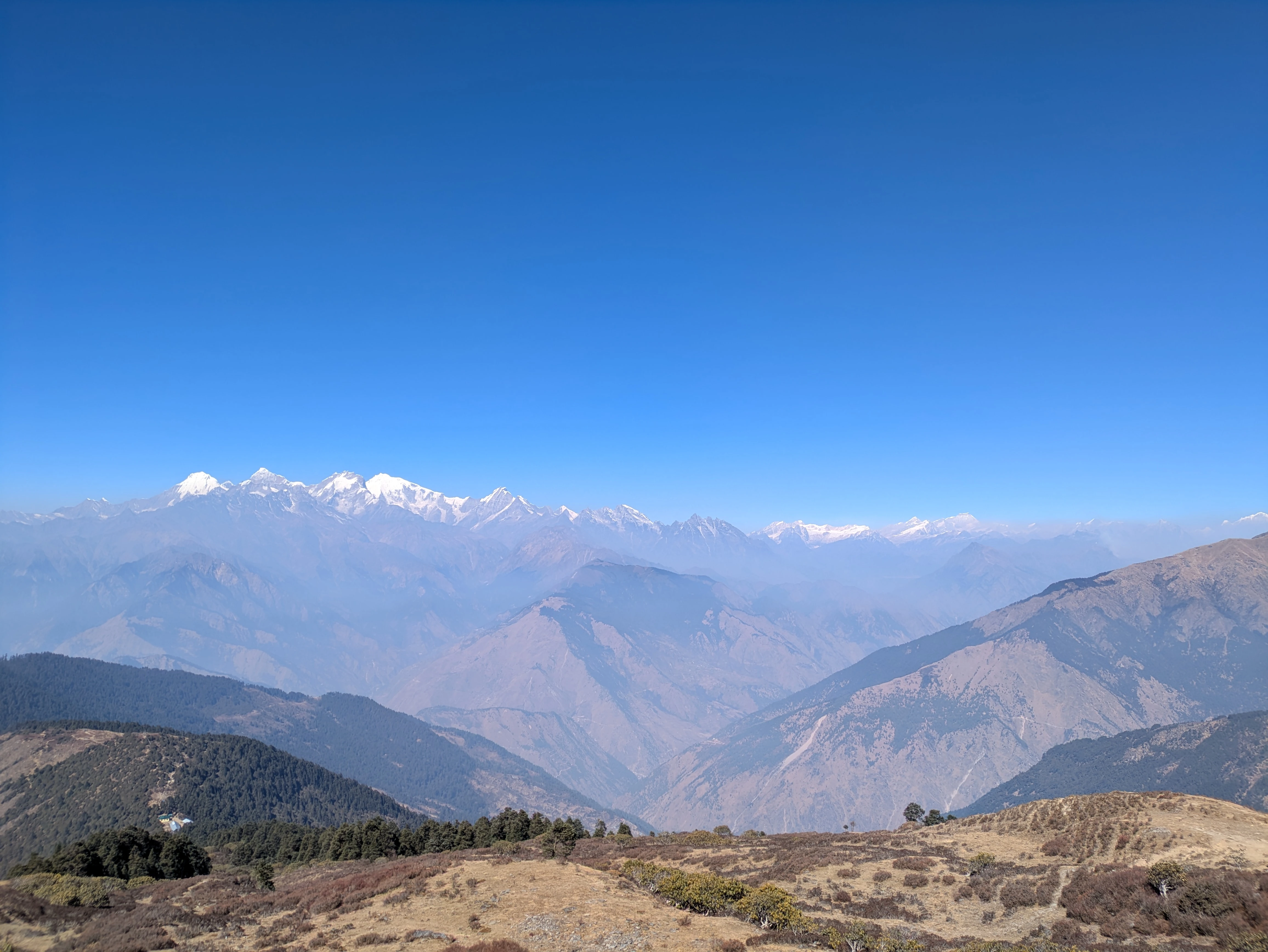
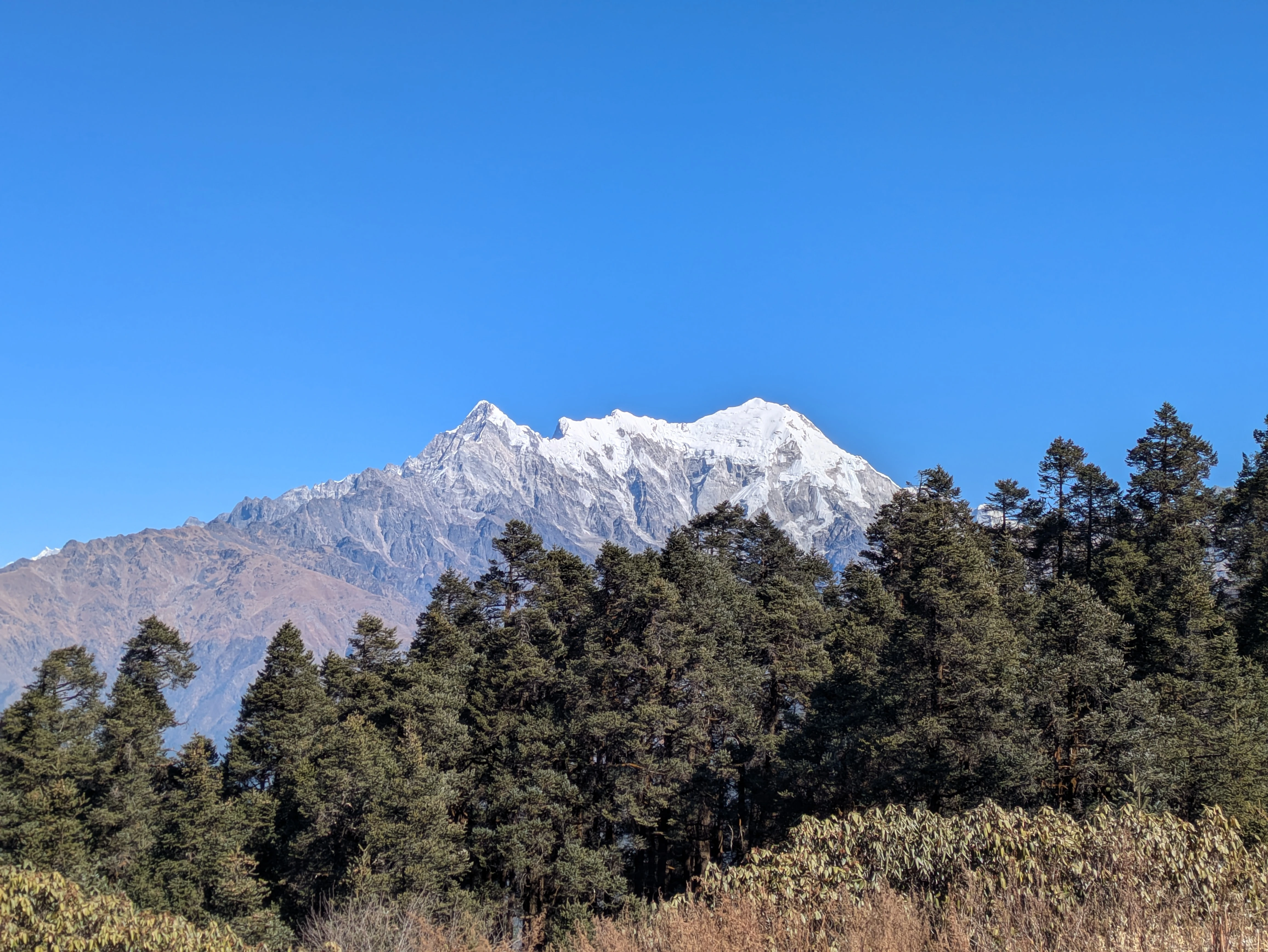
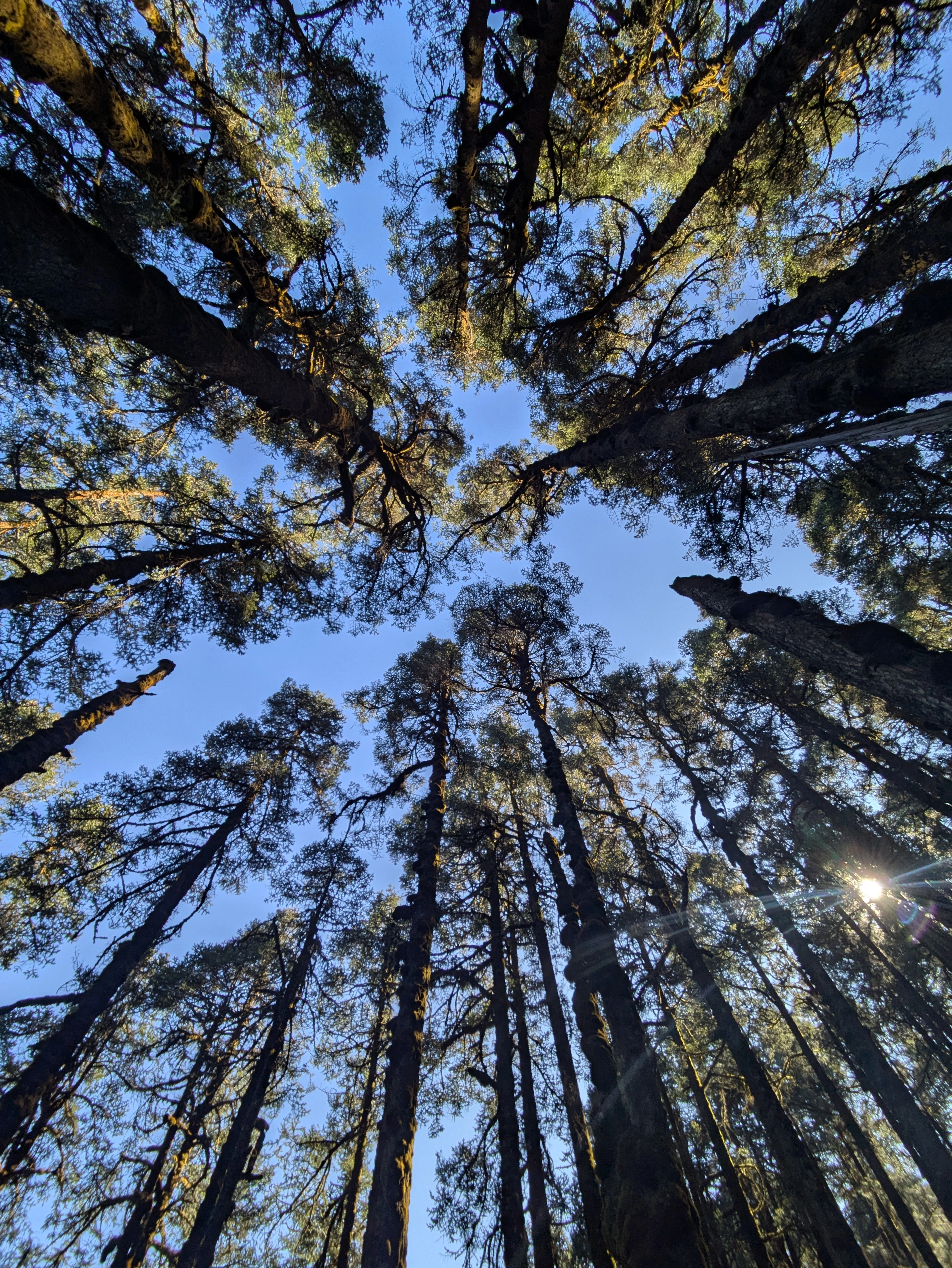
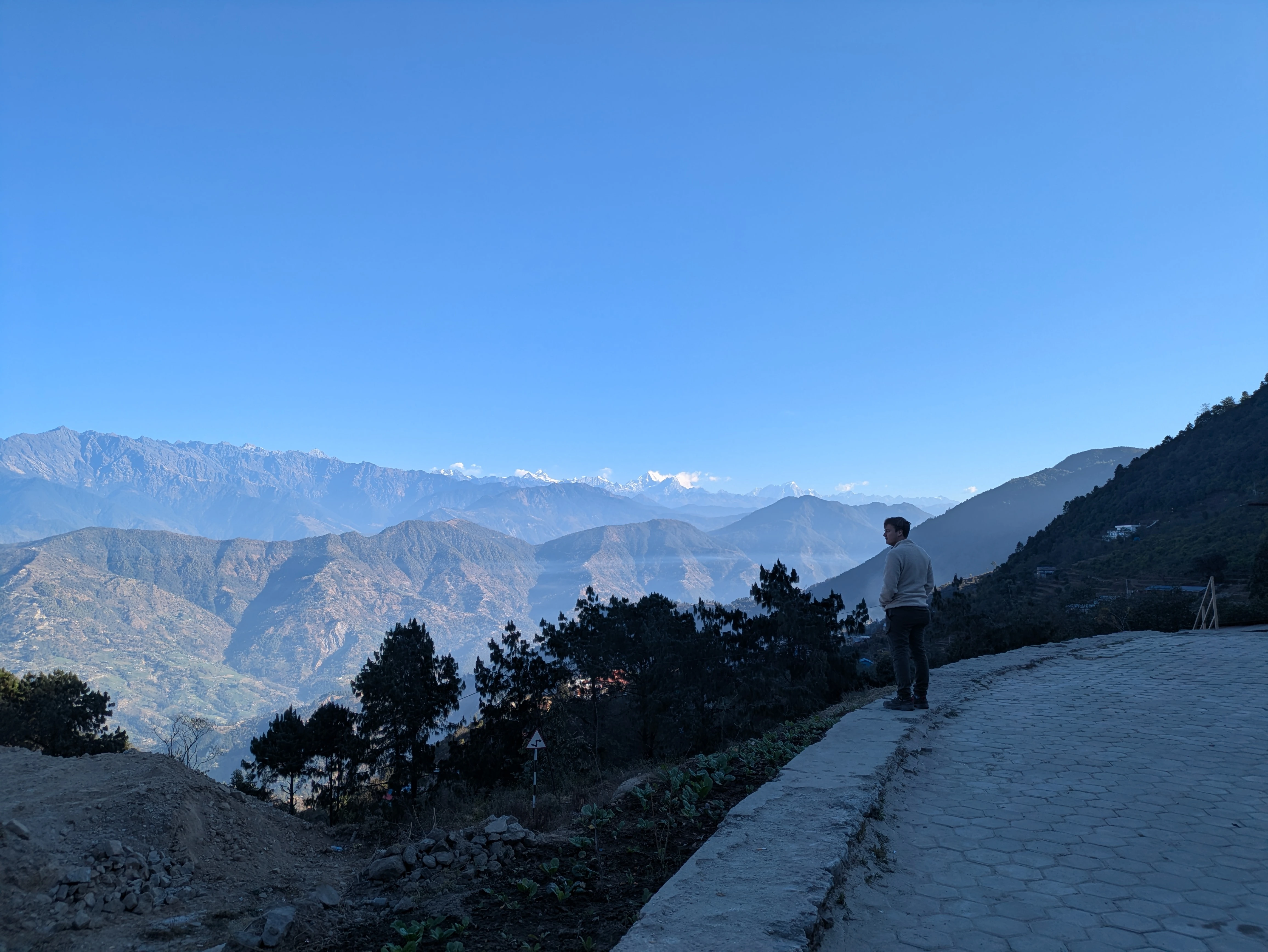
This trek is a mesmerizing blend of natural beauty and cultural richness. As you traverse the trail, you’ll pass through enchanting pine forests, follow the serene Trishuli River, and witness breathtaking views of snow-capped peaks such as Paldor Peak, Ganesh Himal, and the entire Ganesh Himal Range and Langtang Lirung. On clear days, you might even catch glimpses of iconic mountains like Fishtail, Annapurna II, and Manaslu. The journey also offers a glimpse into the unique Tibetan-influenced culture of the local Lama villages, vibrant rhododendron fields, and, if you’re fortunate, a rare sighting of the endangered red panda. The Langtang Gosaikunda Trek is not just a physical adventure but a soulful experience that connects you with both nature and spirituality.
Why Choose the Gosaikunda Trek?
The Gosaikunda Trek is a remarkable journey that offers an unparalleled blend of natural beauty, cultural richness, and spiritual significance. Surrounded by towering peaks, including two above 8,000 meters and several others above 7,000 and 6,000 meters, the trek is framed by the majestic Gosaikunda Ri on one side, creating a breathtaking backdrop. Along the way, trekkers pass through serene Lama villages, vibrant rhododendron forests, and the sacred Gosaikunda Lake itself—a stunning glacial lake revered as one of the most important pilgrimage sites in Hinduism. This unique combination allows travelers to immerse themselves in both Tibetan-influenced Lama culture and the profound spiritual traditions of Hinduism.
What sets the Gosaikunda Trek apart is its accessibility and diversity. Unlike other treks that require extensive experience or strenuous effort, this trek is relatively easy while still offering a wealth of experiences. From panoramic mountain vistas and cultural encounters to spiritual rejuvenation, there is no other trek as accessible as this that delivers such a wide range of unforgettable experiences. Additionally, the Gosaikunda region’s recognition as a Ramsar World Heritage Site further underscores its ecological and cultural significance, making it a truly extraordinary destination for trekkers and pilgrims alike.
Best time to visit
The best time to visit Gosaikunda Lake depends on the experiences you seek, as each season offers unique highlights. Here’s a breakdown of the ideal times for pilgrimage, rhododendron blooms, mountain views, night sky observation, and the beauty of the lake itself:
1. Pilgrimage (Spiritual Significance)
The best time for pilgrimage is during August (Janai Purnima) and February (Maha Shivaratri). These festivals attract thousands of Hindu devotees who come to bathe in the sacred waters of Gosaikunda Lake, believed to cleanse sins and bring spiritual blessings. The atmosphere during these times is deeply spiritual and culturally vibrant.
2. Rhododendron Blooms (Flora and Scenery)
The ideal time to witness the vibrant rhododendron fields in full bloom is during spring (March to April). The trails come alive with a riot of colors as red, pink, and white rhododendrons blanket the hillsides, creating a picturesque and enchanting landscape.
3. Mountain Views (Panoramic Vistas)
For the clearest and most stunning views of the surrounding peaks, including Ganesh Himal, Langtang Lirung, and even glimpses of the Annapurna and Manaslu ranges, the best time is **autumn (October to November)**. The skies are crystal clear, and the weather is stable, offering unobstructed views of the snow-capped mountains.
4. Night Sky Observation (Stargazing)
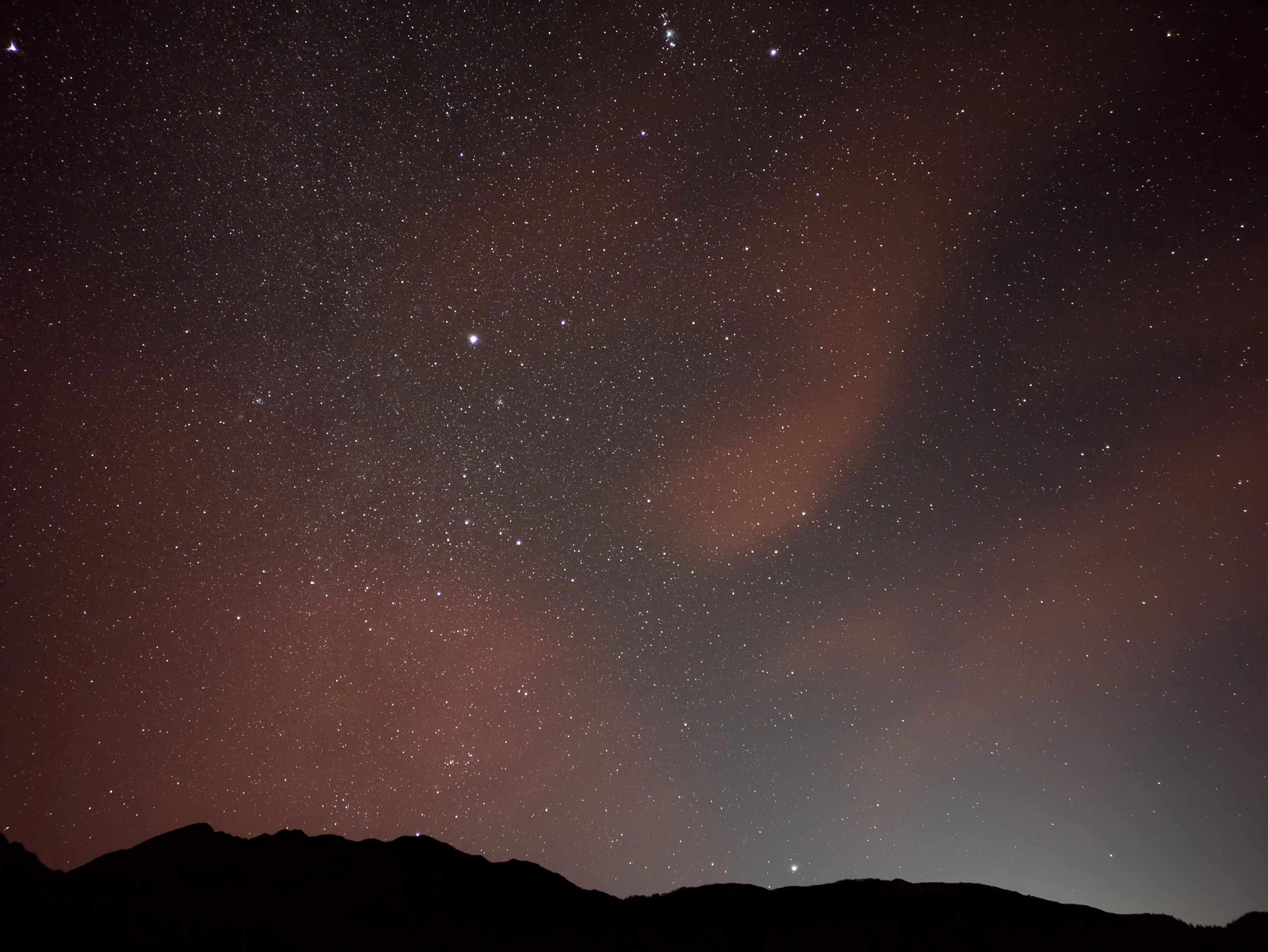
The best time for night sky observation is during winter (December to February). The cold, crisp air and minimal cloud cover provide perfect conditions for stargazing. The high altitude and remote location make it an ideal spot to witness a dazzling display of stars, constellations, and even the Milky Way.
5. The Lake Itself (Natural Beauty)
The lake is most visually striking during autumn (October to November) and spring (March to April). During these seasons, the water is calm and reflective, offering mirror-like views of the surrounding peaks. The clear weather also enhances the lake’s turquoise-blue hue, making it a breathtaking sight.
Seasonal Overview:
Spring (March to April): Perfect for rhododendron blooms and clear lake views.
Summer/Monsoon (June to August): Ideal for pilgrimage but challenging due to rain and slippery trails.
Autumn (October to November): Best for mountain views, clear skies, and the lake’s natural beauty.
Winter (December to February): Great for stargazing and serene, snow-covered landscapes, but colder temperatures.
Each season offers something special, so the best time to visit Gosaikunda Lake ultimately depends on your priorities—whether it’s spiritual fulfillment, natural beauty, or adventure.
Itineraries

Altitude: 2000 meters
Duration: 4-5 hours
Distance: 103 kilometers
Transportation: Public bus from Trishuli Bus Park
Highlights:
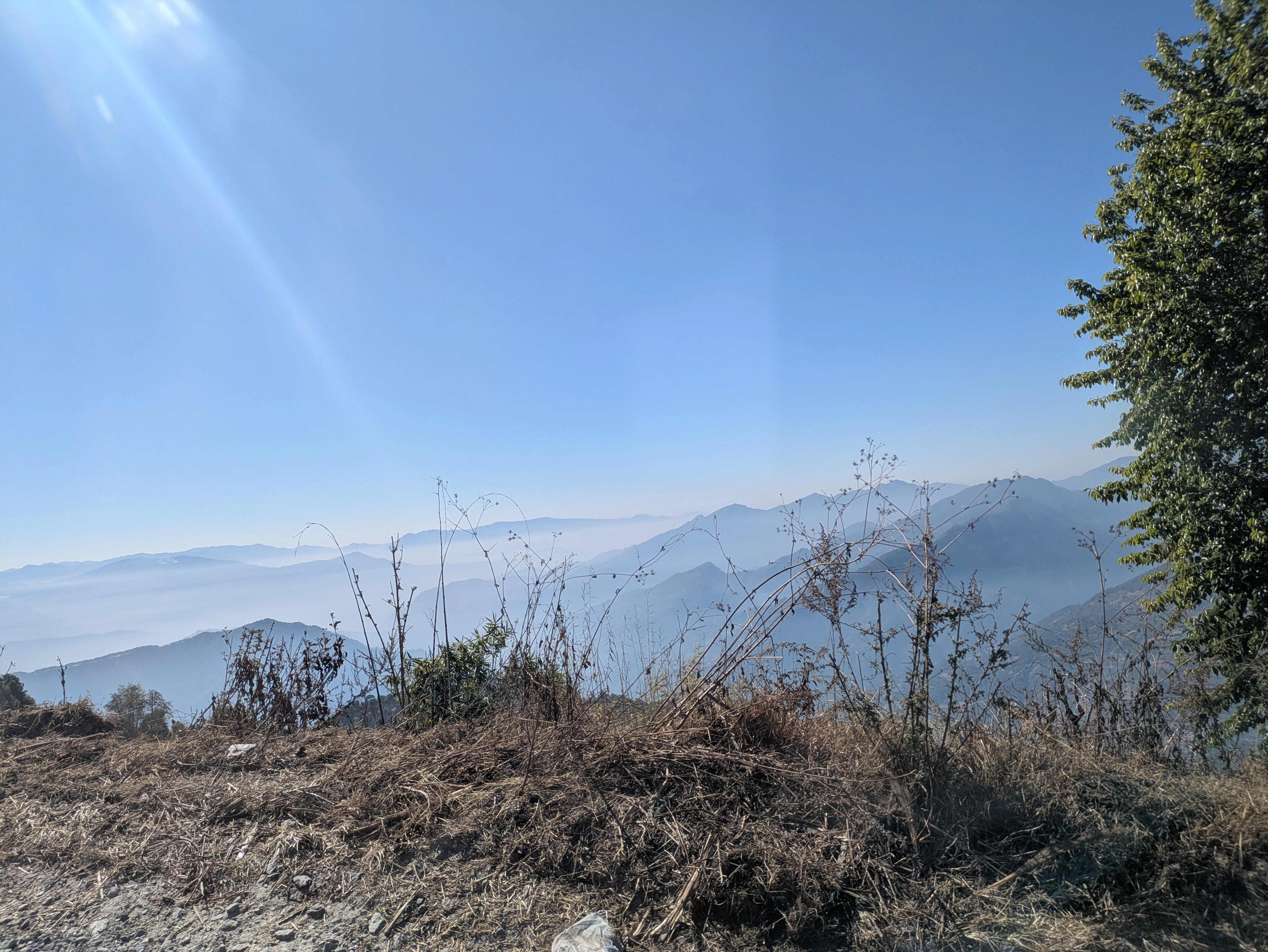
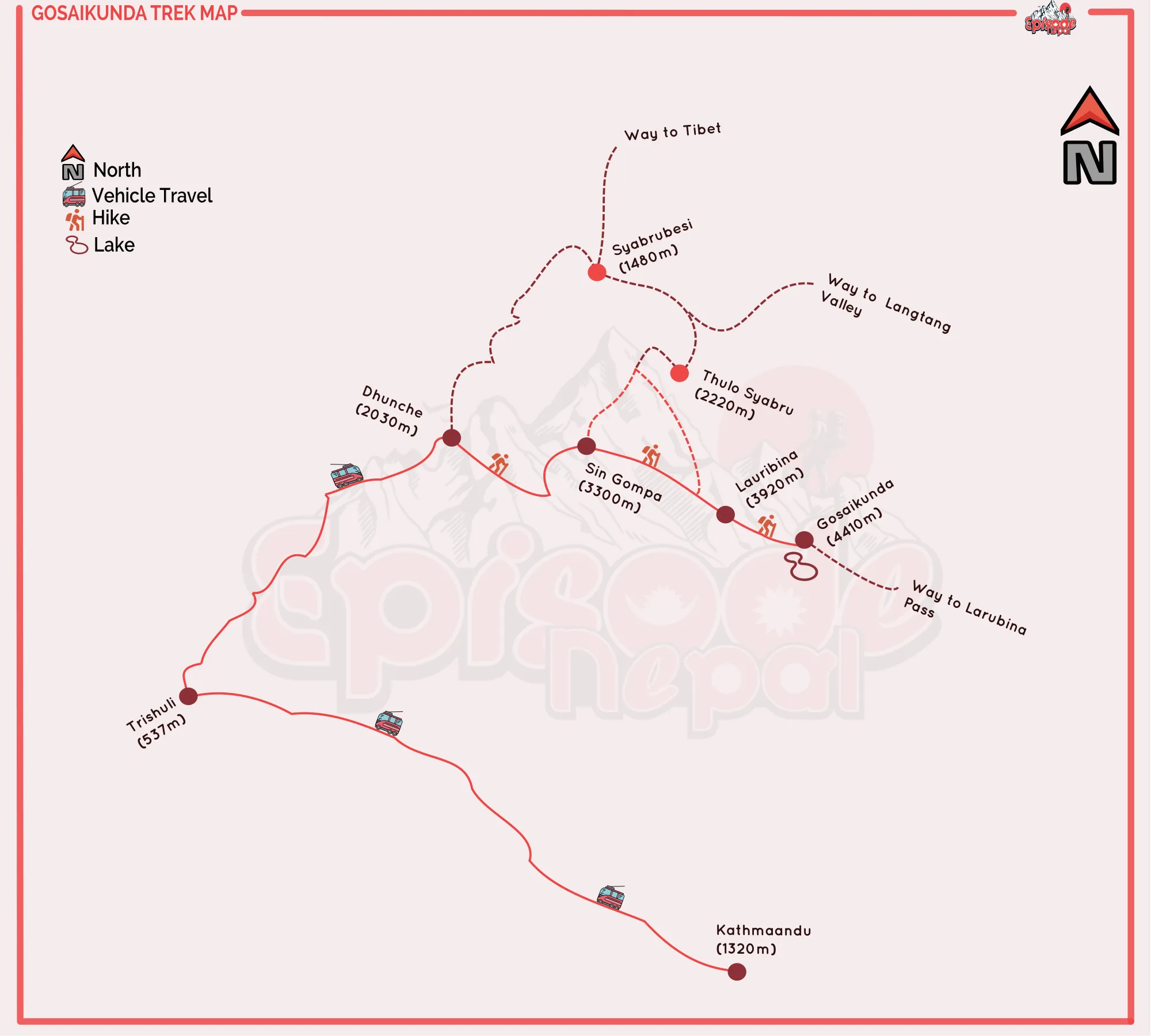
The journey begins with a scenic drive from Kathmandu to Dhunche, passing through winding roads that offer breathtaking views of the fore Himalayas and the Mahabharat Range. Along the way, you’ll witness the vibrant rural life of Nepal, passing through villages inhabited by diverse ethnic groups such as Gurung, Brahmin, and Tamang. The drive itself is an introduction to the cultural and natural richness of the region.
Altitude: 3250 meters
Duration: 5-7 hours
Distance: 7 kilometers
Trek Highlights:
The trek starts with a gentle hike for about an hour until you cross the Trishuli River via a newly built suspension bridge. From there, the trail ascends steeply for the next 4 hours, passing small tea houses and offering stunning views of local villages in the Rasuwa District. As you climb higher, you’ll notice the villages gradually fall below you, creating a surreal feeling of being closer to the heavens. The trail takes you through enchanting rhododendron forests and traditional villages like Khendi, Dimsaa, and Deurali, offering a perfect blend of nature and culture.
 Altitude: 4380 meters
Duration: 5-7 hours
Distance: 14 kilometers
Trek Highlights:
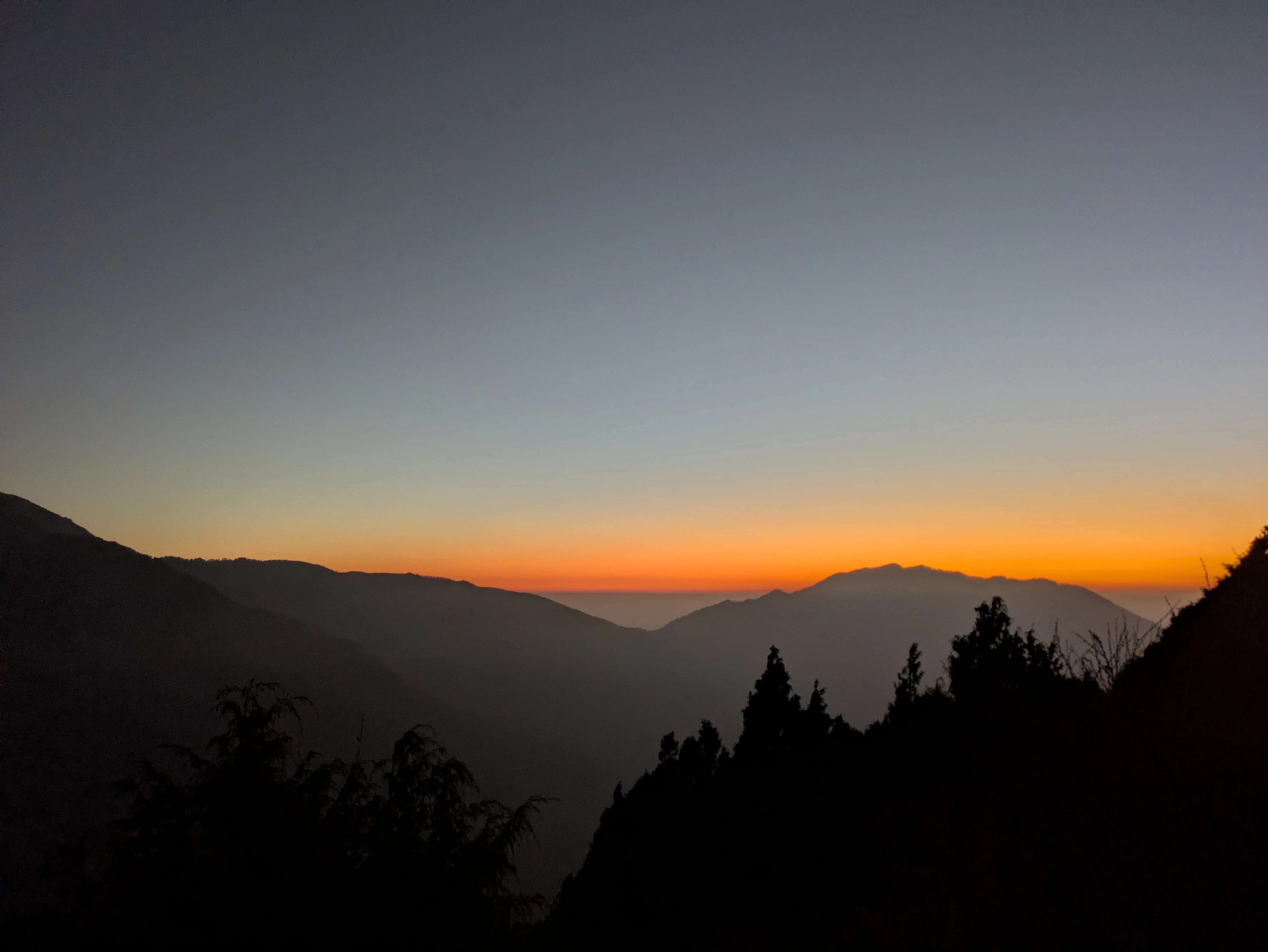
Begin your day with a mesmerizing sunrise at Chandanbari and a hearty breakfast. The trek starts with a relatively flat walk for a few hours until you reach Cholangpati (3654 meters), passing through a serene pine forest. Walking through the forest, with the mountains peeking through the tall pine trees, is a truly magical experience. Beyond Cholangpati, the vegetation thins out, revealing panoramic views of the Himalayas.
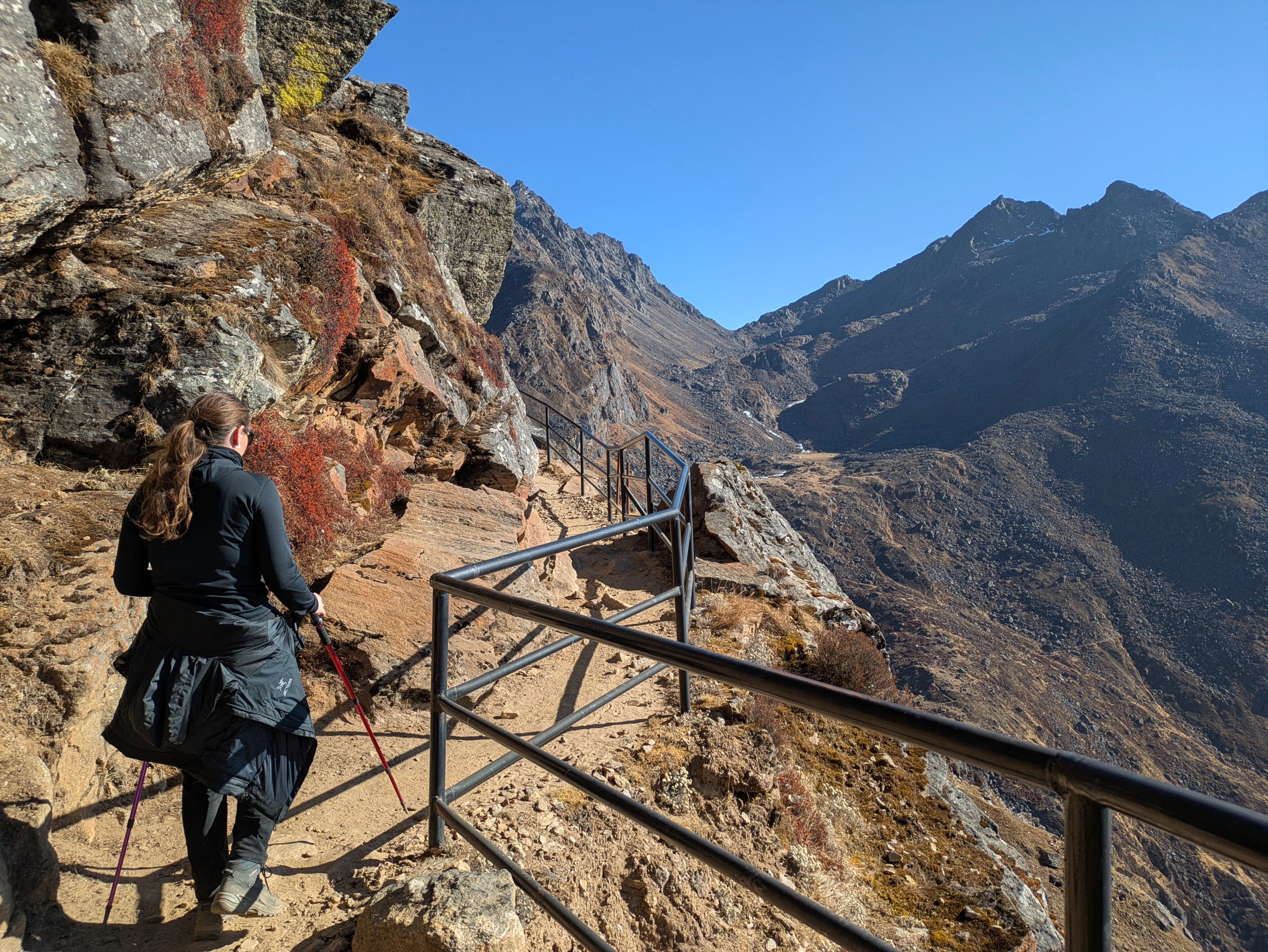
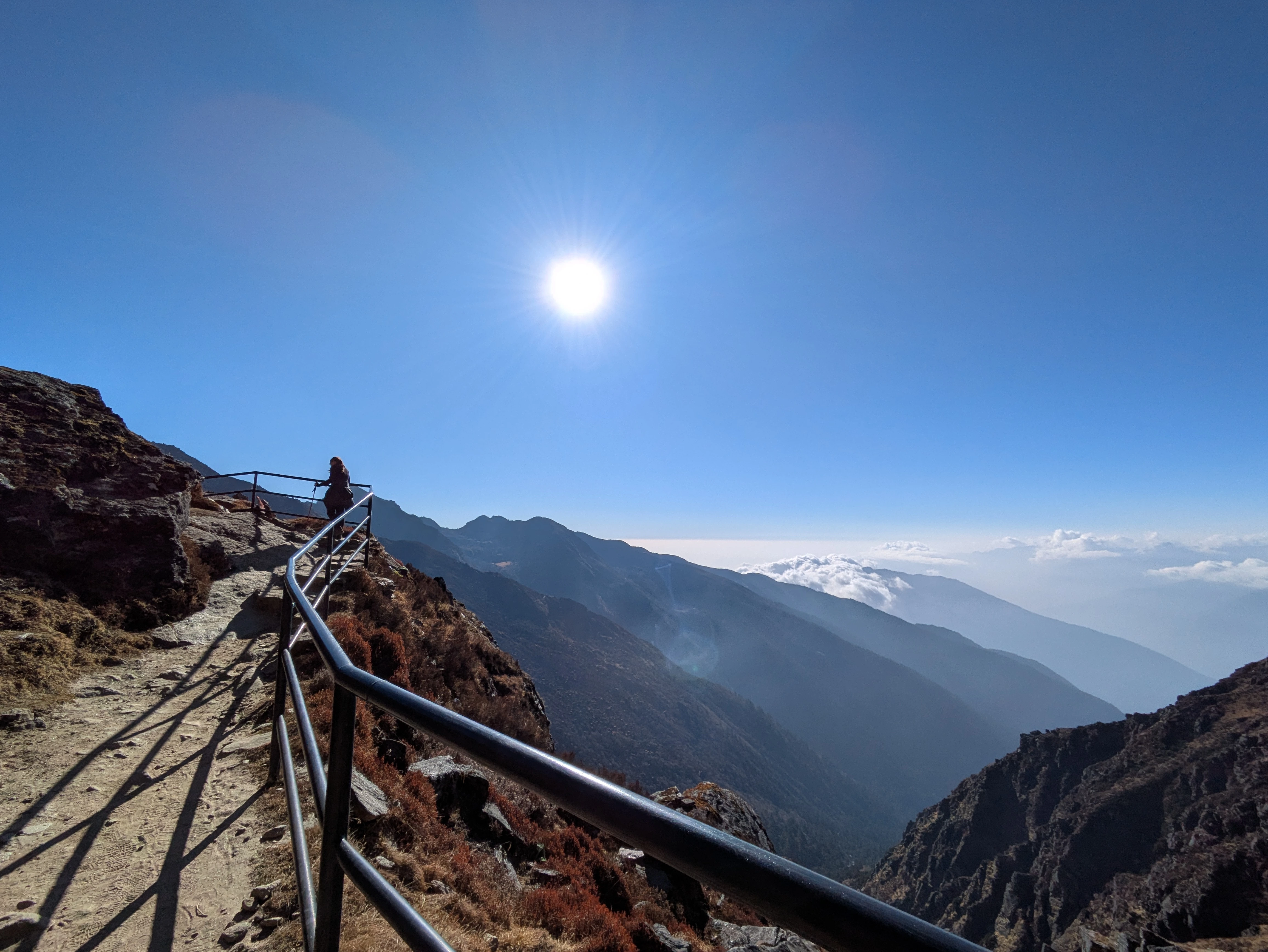
A 1.5-hour hike from Cholangpati takes you to Lauribina (3910 meters), a viewpoint where you can witness majestic peaks like Macchapucchre, Annapurna II, Hiun Chuli, Paldor, and the Ganesh Mountain Range and Langtang Lirung. After lunch at Lauribina, the final ascent to Gosaikunda begins. This challenging 2-hour hike takes you past two smaller lakes, Saraswati Kunda (4165 meters) and Bhairav Kunda (4200 meters), before reaching the sacred Gosaikunda Lake. According to local beliefs, pilgrims should not look at Bhairav Kunda before seeing Gosaikunda, though the trail makes this nearly impossible! Upon arrival, relax at your hotel or explore the lake, capturing its beauty through photographs.

Altitude: 4380 meters to 3250 meters
Duration: 5-6 hours
Trek Highlights:
Wake up early to witness the sunrise over Gosaikunda Lake. If you’re feeling adventurous, take a dip in the holy waters to cleanse your sins. After breakfast, retrace your steps back to Chandanbari. The descent is easier, allowing you to enjoy the stunning landscapes you passed on the way up.
Chandanbari is an excellent spot for stargazing. With the trek’s most challenging part behind you, spend the night relaxing under a sky filled with stars. Look out for constellations, planets like Saturn and Jupiter, and even the Andromeda Galaxy. It’s a perfect way to unwind after your spiritual journey to Gosaikunda.

Altitude: 3250 meters to 2000 meters
Duration: 4-5 hours (trek) + 5 hours (drive)
Trek Highlights:
After breakfast, begin your descent to Dhunche. The downhill trek is relatively easy and faster than the ascent. Once you reach Dhunche, enjoy lunch and explore the town, known for its affordable Chinese goods due to its proximity to the border. In the afternoon, board an electric van for the 5-hour drive back to Kathmandu.
Congratulations! You’ve successfully completed the Gosaikunda Trek, a journey that combines natural beauty, cultural immersion, and spiritual fulfillment.
Route Map
Elevation Profile
Inclusion
Exclusion
Information
Information:
